
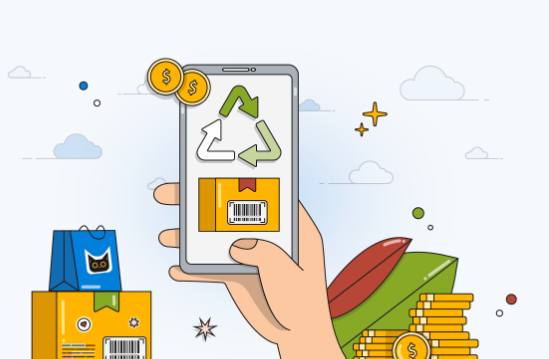
Selling used goods once meant placing an unwanted item in a classified listing and waiting for a buyer. Recommerce changes that model. Instead of treating second-hand products as occasional transactions between individuals, businesses create systems for sourcing, inspection, pricing, storage, marketing, fulfillment, and after-sales service. The used item becomes inventory, and the resale process begins to resemble retail.
This change reflects a broader shift in how digital businesses organize transactions. Consumers already move between services that convert fragmented actions into structured experiences, whether they are comparing products, booking transport, or accessing entertainment such as aviator online through a digital platform. Recommerce applies a similar logic to physical goods: it takes products with uncertain condition and value and turns them into standardized units that can be bought with less risk.
Recommerce Begins With Supply, Not With Sales
A conventional retailer usually purchases new products from manufacturers or distributors. Recommerce businesses operate in the opposite direction. Their supply may come from individual sellers, trade-in programs, returned goods, excess inventory, liquidation channels, or business equipment replacement cycles.
This makes sourcing one of the main operational challenges. A company cannot assume that the same quantity of the same product will arrive every month. It must build acquisition channels that continuously bring suitable inventory into the system. Some businesses offer instant quotes, while others use collection points, mail-in programs, partnerships, or bulk purchasing agreements.
The commercial advantage appears when this supply becomes predictable. Once a company can estimate how many units it can acquire, at what price, and in what condition, used products stop being random opportunities. They become a managed procurement pipeline.
Inspection Turns an Object Into Inventory
A used item has no fixed commercial value until its condition is understood. Two products with the same model name may differ because of wear, missing components, battery health, repairs, cosmetic damage, or previous usage.
For that reason, inspection is one of the central functions of recommerce. Businesses need procedures that determine whether an item can be resold, repaired, dismantled for parts, or rejected. The process may include functional testing, cleaning, data removal, component checks, and visual grading.
Grading is especially important because it converts condition into a language buyers can understand. A product marked as Grade A, B, or C can be assigned a price range and service policy. The company is no longer selling an unknown used object. It is selling a defined inventory unit with documented characteristics.
Pricing Becomes a Data Problem
New products often have recommended retail prices, wholesale costs, and predictable margins. Used goods require another approach because their value changes with age, demand, condition, season, and the price of new alternatives.
A recommerce company therefore needs pricing rules rather than one-time estimates. The acquisition price must leave enough room for testing, repair, storage, payment fees, shipping, returns, customer support, and profit.
Data can improve this calculation. Historical sales show how quickly certain products sell and which grades attract buyers. If one category remains in storage for months, the company may reduce purchase prices or stop acquiring it. If another category sells within days, the business can pay more to secure supply.
This is where recommerce begins to look less like casual resale and more like inventory management.
Trust Creates the Retail Margin
Consumers can often purchase used goods directly from another person for less money. A recommerce company must therefore explain why its higher price is justified.
The answer is usually risk reduction. Buyers may receive inspection reports, return periods, guarantees, documented condition, support, secure payment, and standardized delivery. These services reduce uncertainty about whether the product works and whether the buyer can recover money if something goes wrong.
Trust is not just a marketing issue. It directly affects pricing power. A business that can demonstrate consistent grading and reliable service may charge more than an individual seller because the customer is also paying for verification and recourse.
Logistics Determines Whether the Model Can Scale
Handling one used product is simple. Handling thousands creates operational complexity. Every item may arrive in a different state, require a different amount of work, and need to be stored under its own stock identifier.
A scalable recommerce operation therefore needs logistics designed for irregular inventory. Products must move through intake, inspection, repair, photography, listing, storage, order picking, packaging, and shipping without losing traceability.
Returns add another layer. A returned used item cannot always be placed directly back into stock. It may need another inspection, new grading, cleaning, or repricing. Companies that fail to manage this flow can lose margin even when sales volume is increasing.
Category Selection Shapes Profitability
Not every type of used product works equally well in recommerce. The best categories usually combine resale demand, measurable condition, enough remaining product life, and sufficient value to cover processing costs.
Electronics, furniture, fashion, tools, sports equipment, appliances, and professional equipment can all support resale models, but their economics differ. A low-cost item may generate too little margin after shipping and inspection. A high-value product may justify more testing because each successful sale produces more contribution margin.
Businesses therefore need to evaluate categories by turnover, return rate, repair cost, average selling price, acquisition cost, and storage requirements rather than by demand alone.
Recommerce Turns Ownership Into a Product Cycle
The larger change is that recommerce extends the commercial life of a product. A business can sell an item, acquire it again later, refurbish it, and sell it to another customer. Revenue no longer depends only on the first sale.
This creates a product cycle in which acquisition and resale are connected. Trade-in programs can support future inventory, while resale values can influence the original purchase decision. Customers may become both buyers and suppliers at different stages.
Recommerce becomes a full-scale product business when companies stop seeing used goods as leftovers. Through procurement, grading, pricing, logistics, data, and customer protection, they create a repeatable retail system. The product is second-hand, but the business model is structured around the same disciplines that define modern commerce.